The story of Manken Queen is an interesting but nebulous one. A lot of the research on this topic brings up conflicting dates and oral histories. This is what I have been able to piece together.
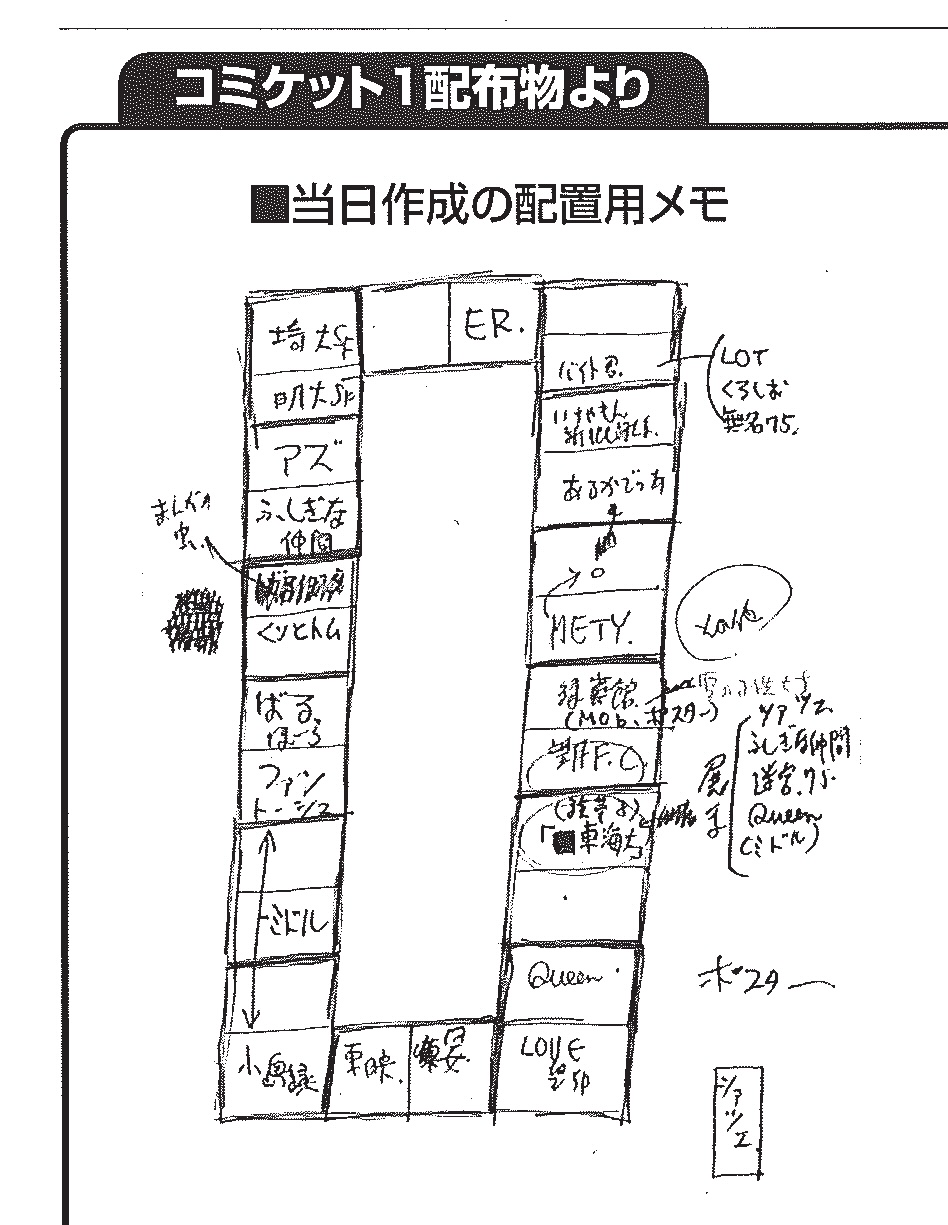
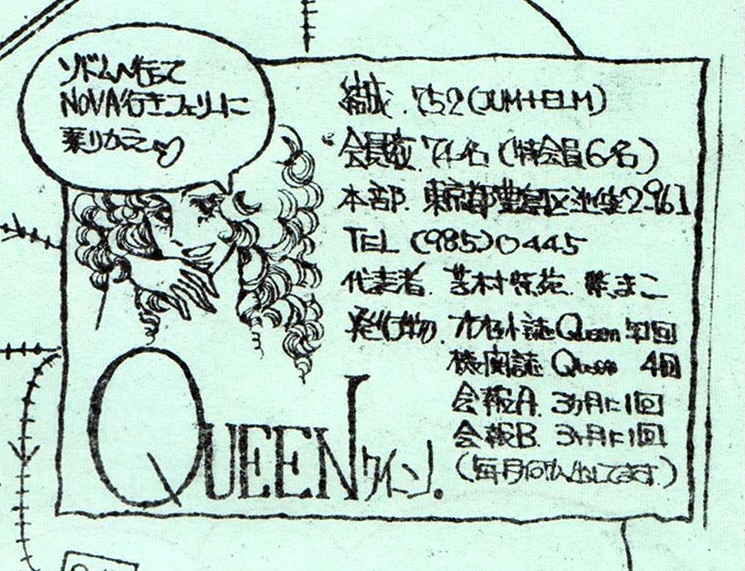
They reached out to a doujin group called Manken JUM and contracted one of their artists, Misao Hoshiai, to create these illustrations. Hoshiai, who was now faced with drawing upwards of fifty full-color illustrations in short order, asked artist Shion Yoshimura of the doujin group Manken ELM to help out. The two doujin groups came together to form Manken Queen. (I have found one source claiming that Manken Queen was as active as early as 1973, but a manga event flyer from February of 1975 seems to contradict this.) In any event, Hoshiai took care of drawing Brian and Roger, while Yoshimura drew Freddie and John. In illustrations where the four appeared together, each party would draw their part and swap with the other artist to finish. Their illustrations were made into slides that were put on display at different events around the country. A manga and doujinshi exhibition held in February of 1975 in Saitama lists a Queen exhibit where some of these drawings were on display. This event lists Manken Queen and the doujin circle The Eccentric Poets amongst the organizers. Additionally, a "Queen display" is noted on the roster of participants at the very first Comiket held in Tokyo in December of 1975. Comiket, a doujinshi convention that currently draws hundreds of thousands of visitors a year, was originally conceived as a "fanzine fair" for girls and young women, and a Manken Queen booth would appear at each event through at least 1979, sometimes sharing space with The Eccentric Poets.
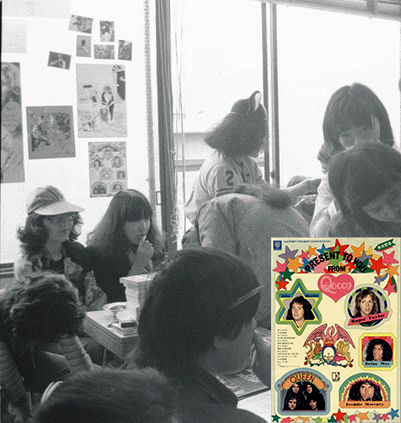
Yoshimura became the head editor of Manken Queen, and the band itself also briefly became involved. Before they left Japan, Freddie designed a logo for Manken Queen, with input from Brian and Roger (the term "meddling" was used to describe this). I have seen this logo mentioned a few times but I can't seem to find any actual images of it anywhere. The logo was apparently printed on the front page of early publications and newsletters, but was subsequently lost. When Yoshimura submitted the manuscript to reprint the doujinshi, the printshop went into foreclosure and the manuscripts were seized. The original full-color rock illustrations commissioned by Nabepro reportedly suffered the same fate. However, a couple of months after their visit to Japan, Queen sent Hoshiai a signed page of thanks that ended up being printed in Manken Queen 1.
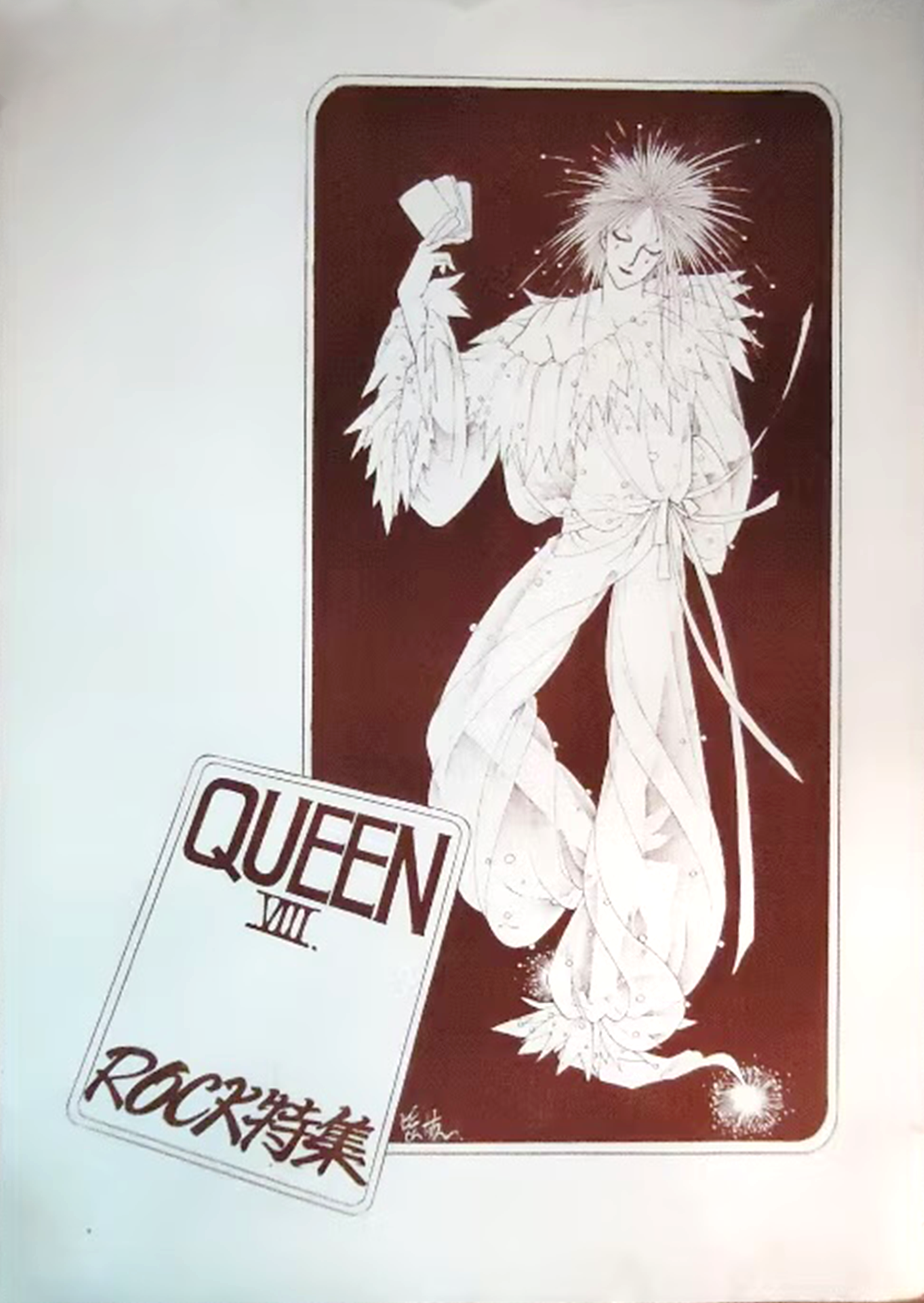
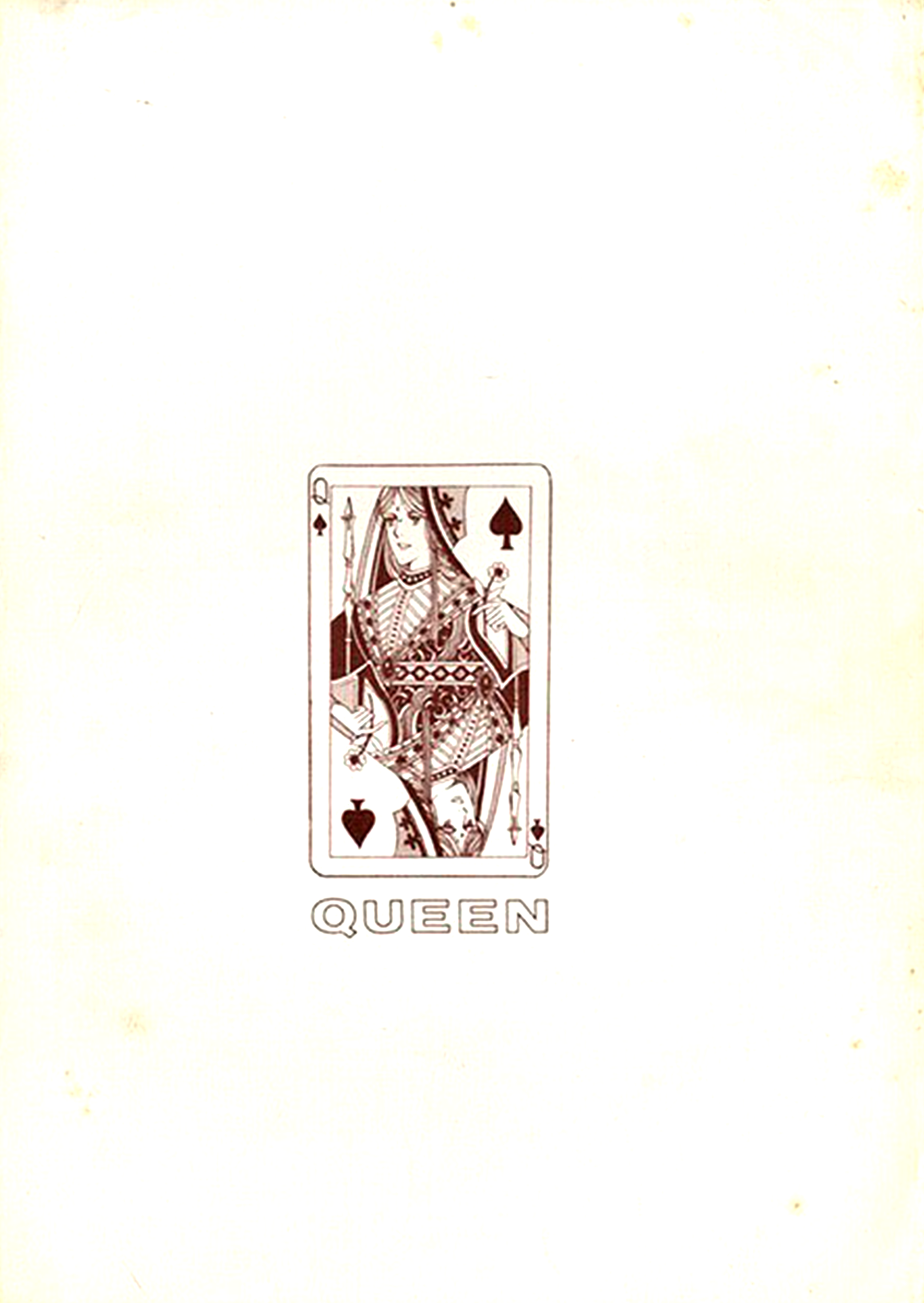
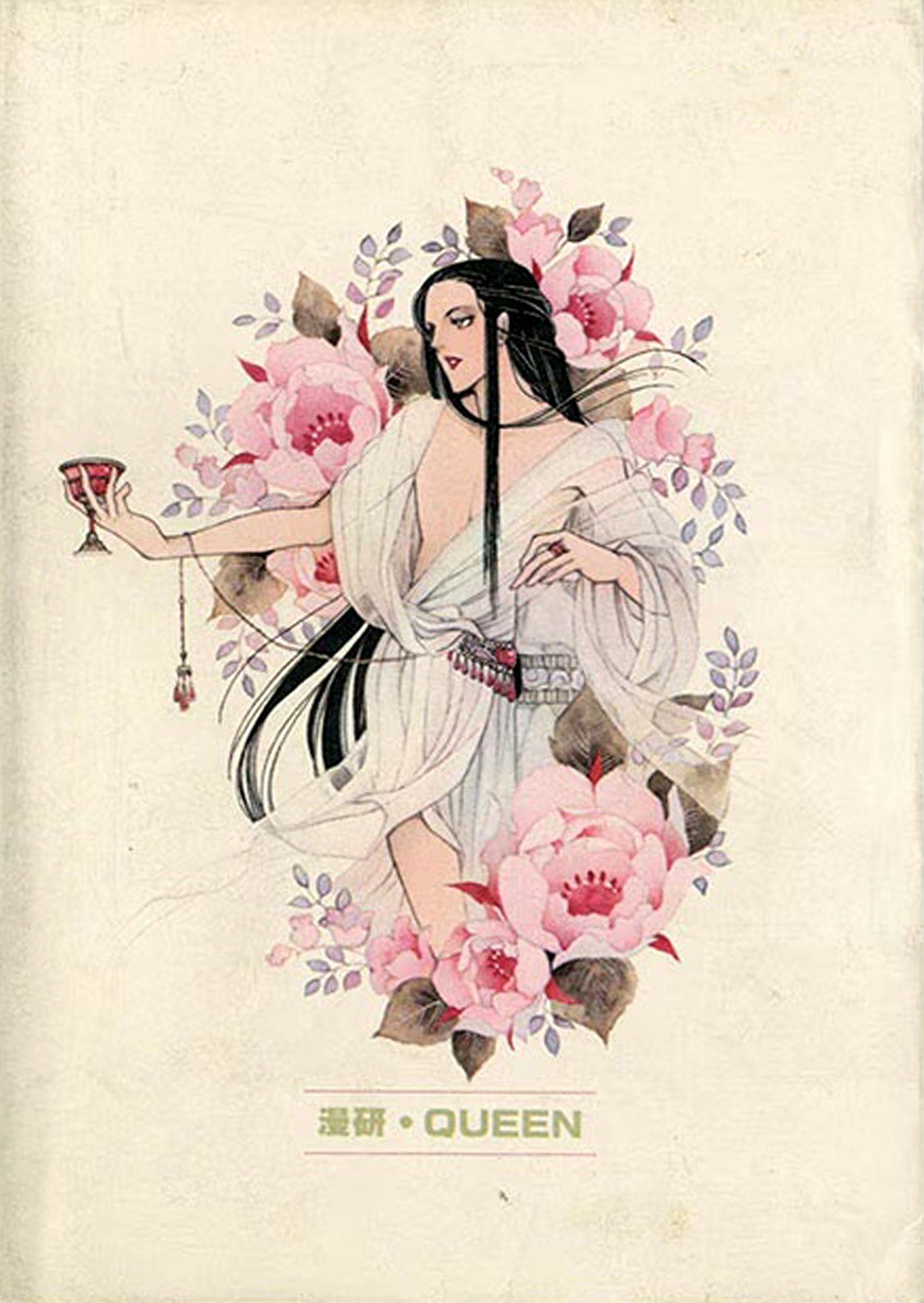
Ultimately, at least four full volumes ("Rock Illustration Volumes"), numbered Queen 1-4, were published, as well as at least eight supplements numbered I-VIII. There are likely more, but the duplicate numbering system and lack of documentation makes it difficult to say for sure. Although there were as many as 150 members over the years, the core group of artists numbered about 50 and hung out together, going on outings and staying up late drawing in a salon-like environment. Many members went on to draw professionally.
As the years went on, the actual band itself seems to have played less of a part in this doujin's subject matter, although caricatures invariably showed up and the publication retained the name Queen. It's hard to know, however, the extent of Queen content without actually being able to view the books themselves.
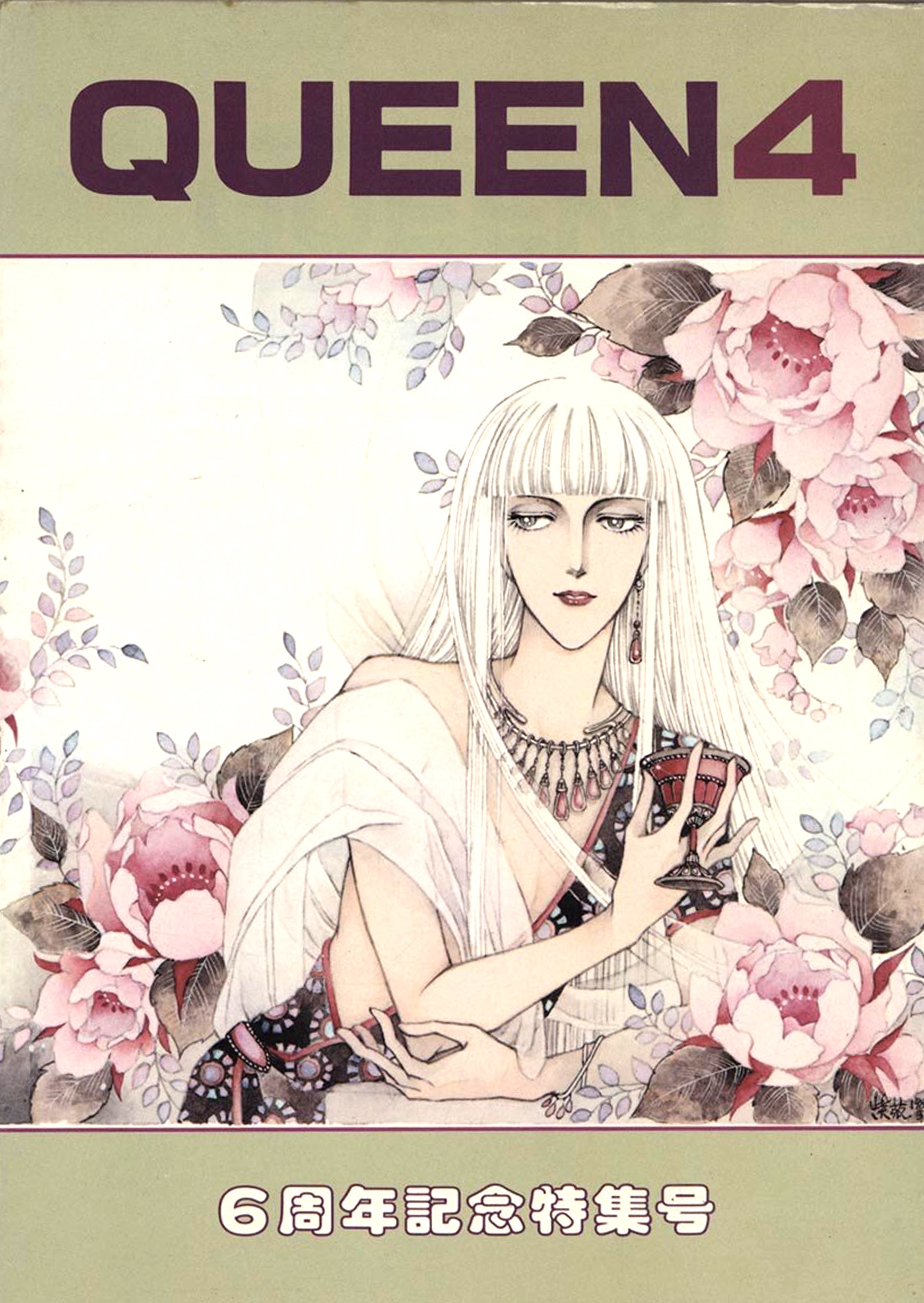
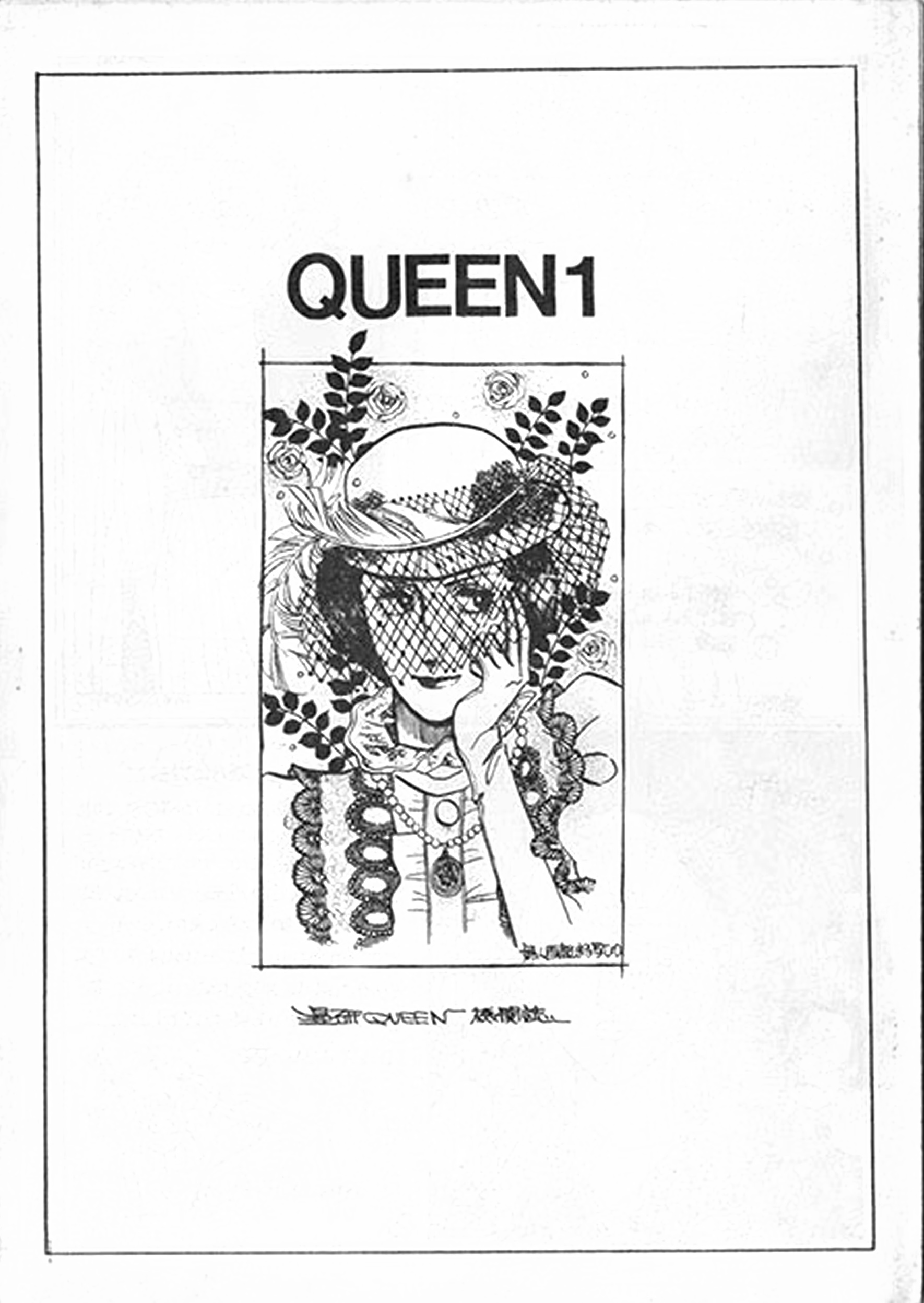
These books are quite rare today. Copies of Queen 1, Queen 2, and Queen VII are held at the Yoshihiro Yonezawa Memorial Library at Meiji University in Tokyo, and have been featured in exhibits from time-to-time. I was able to view these volumes on a recent trip to Japan, but no copies or photos were allowed to be taken. (I wasn't even allowed to bring my phone in with me, so I couldn't look up kanji I didn't know, either.) Many of the illustrations are stunning, even if some are only tangentially related to Queen. The earlier volumes contain anecdotal reports and information about Queen's first trip to Japan in Spring of 1975 that align with what is already known. Queen 4, published in the summer of 1980, was marked as a special commemorative issue.
It's unclear to me whether this doujin circle remained active past 1981, but it seems unlikely. Queen remains beloved in Japan to this day, but the momentum of their early heydays in Japan left along with the 70s. Regardless, Manken Queen holds a unique place in Japanese Queen lore.
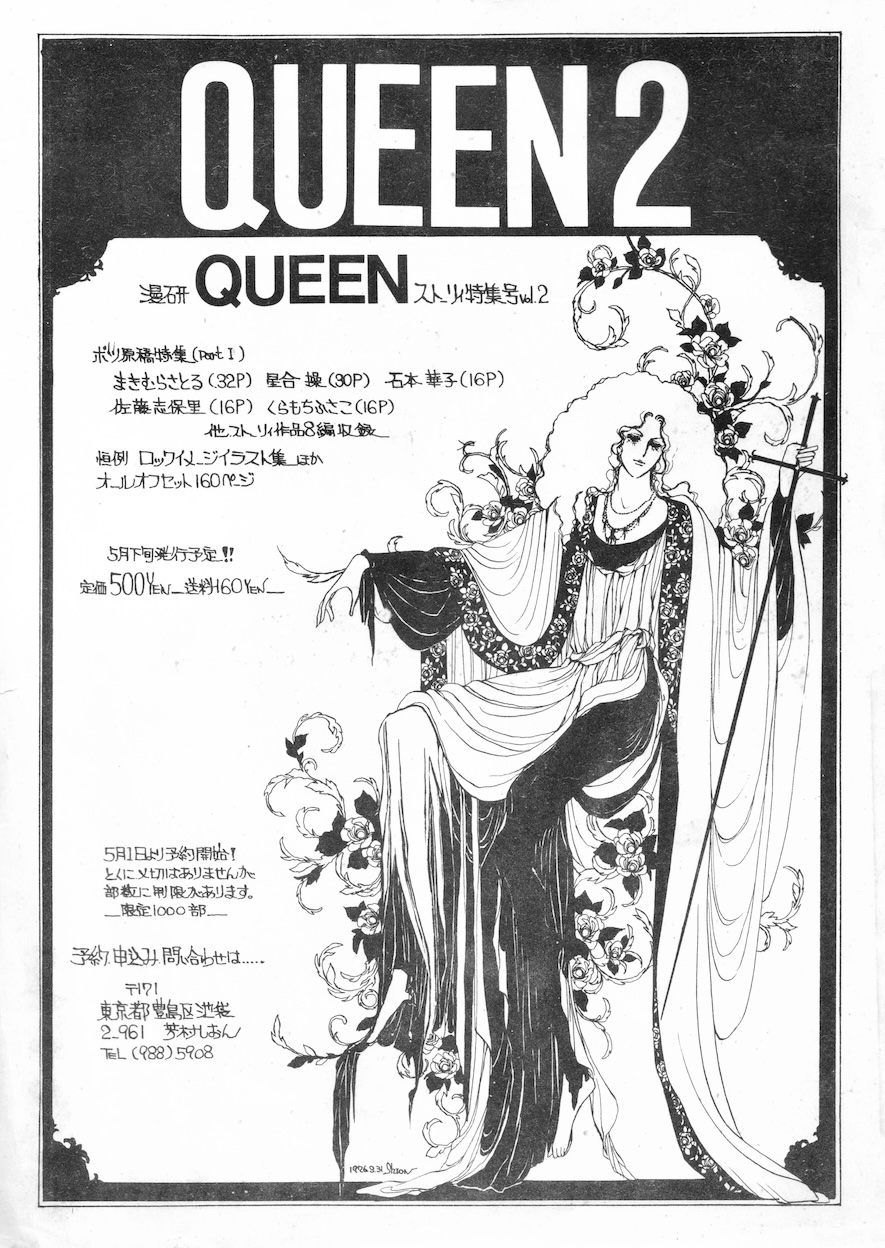
1,000 copies will be printed.

Volumes:
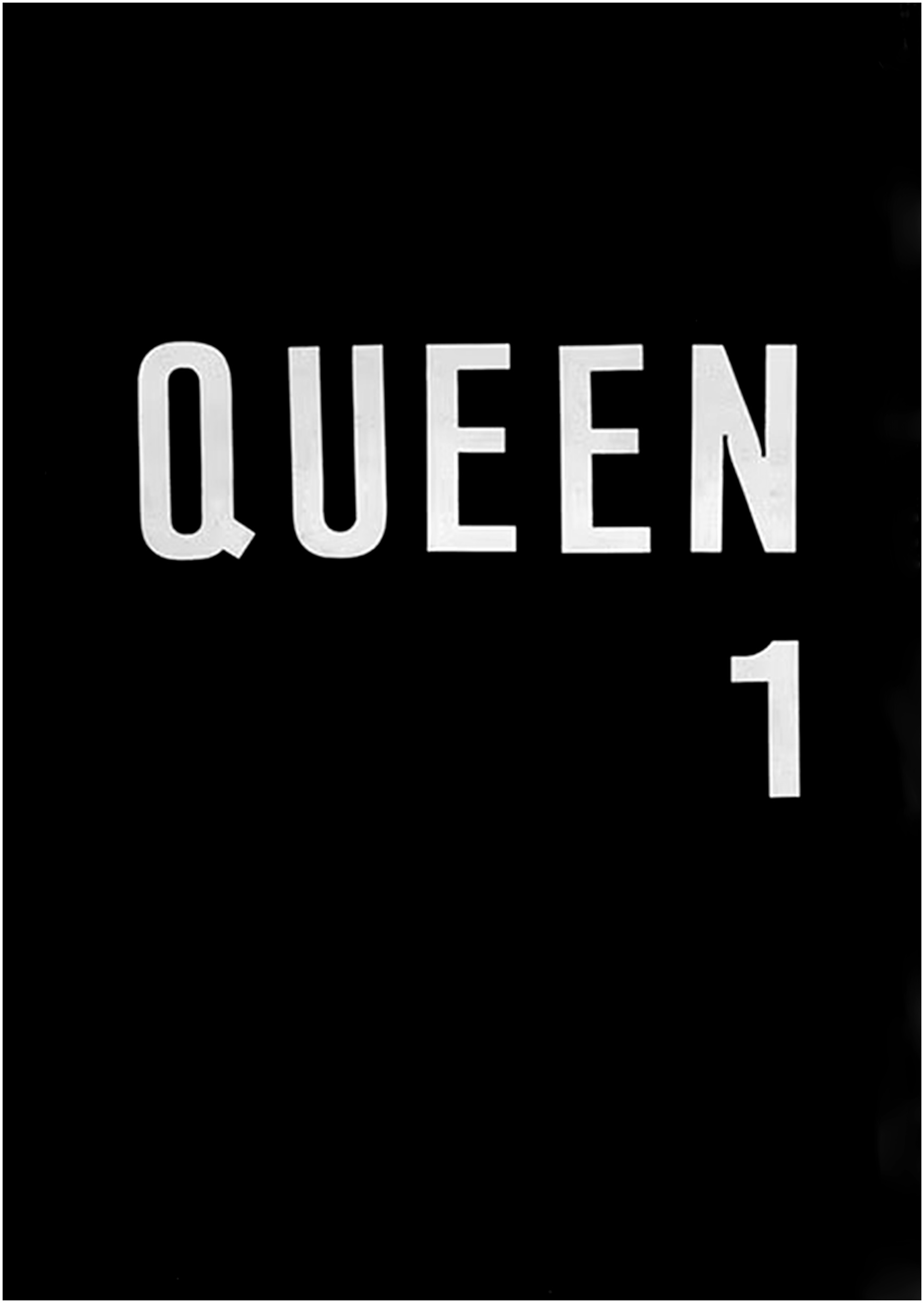
Queen 1 — June 1975
Queen 2 — June 1976
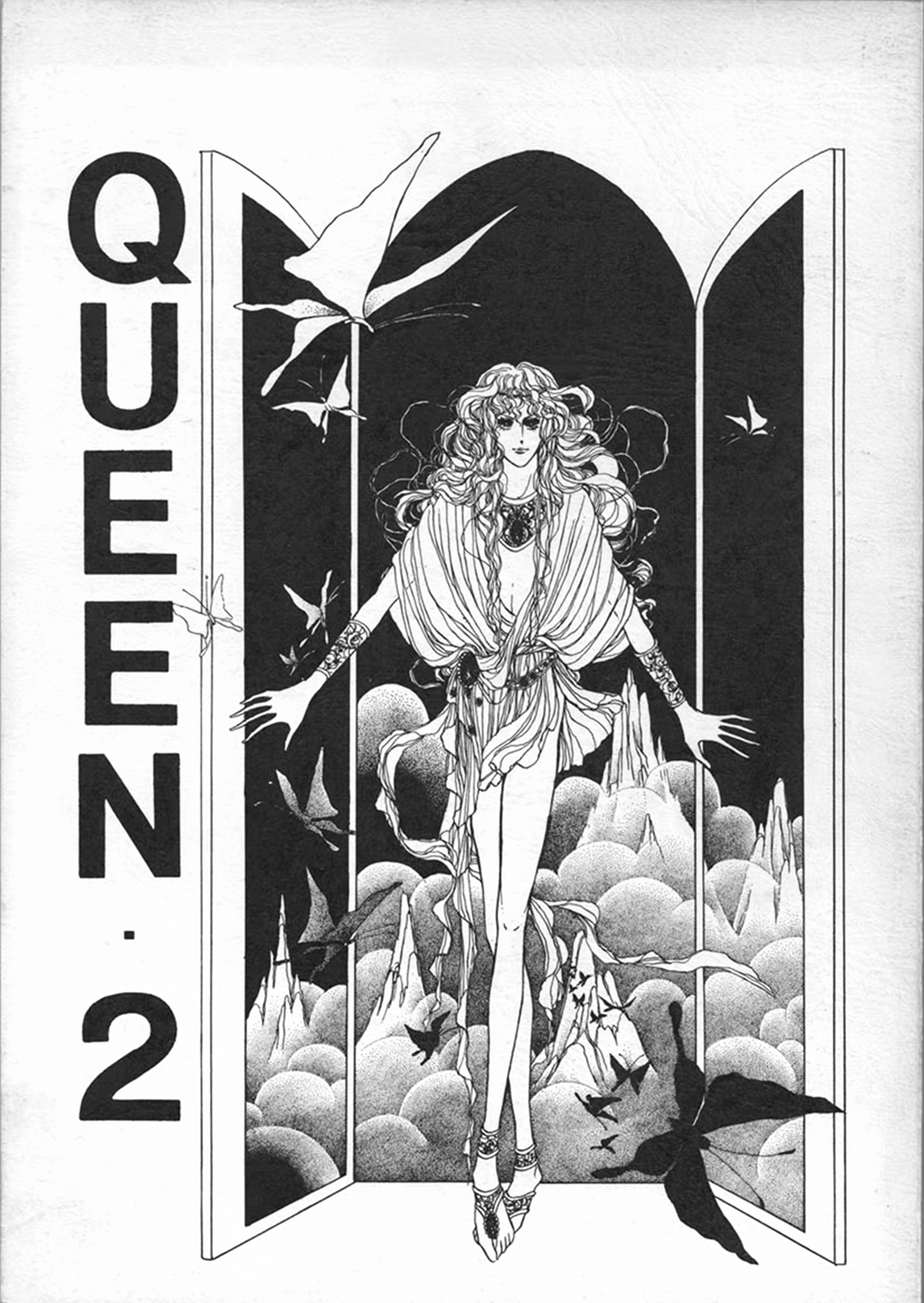
Queen 3 — Summer? 1977
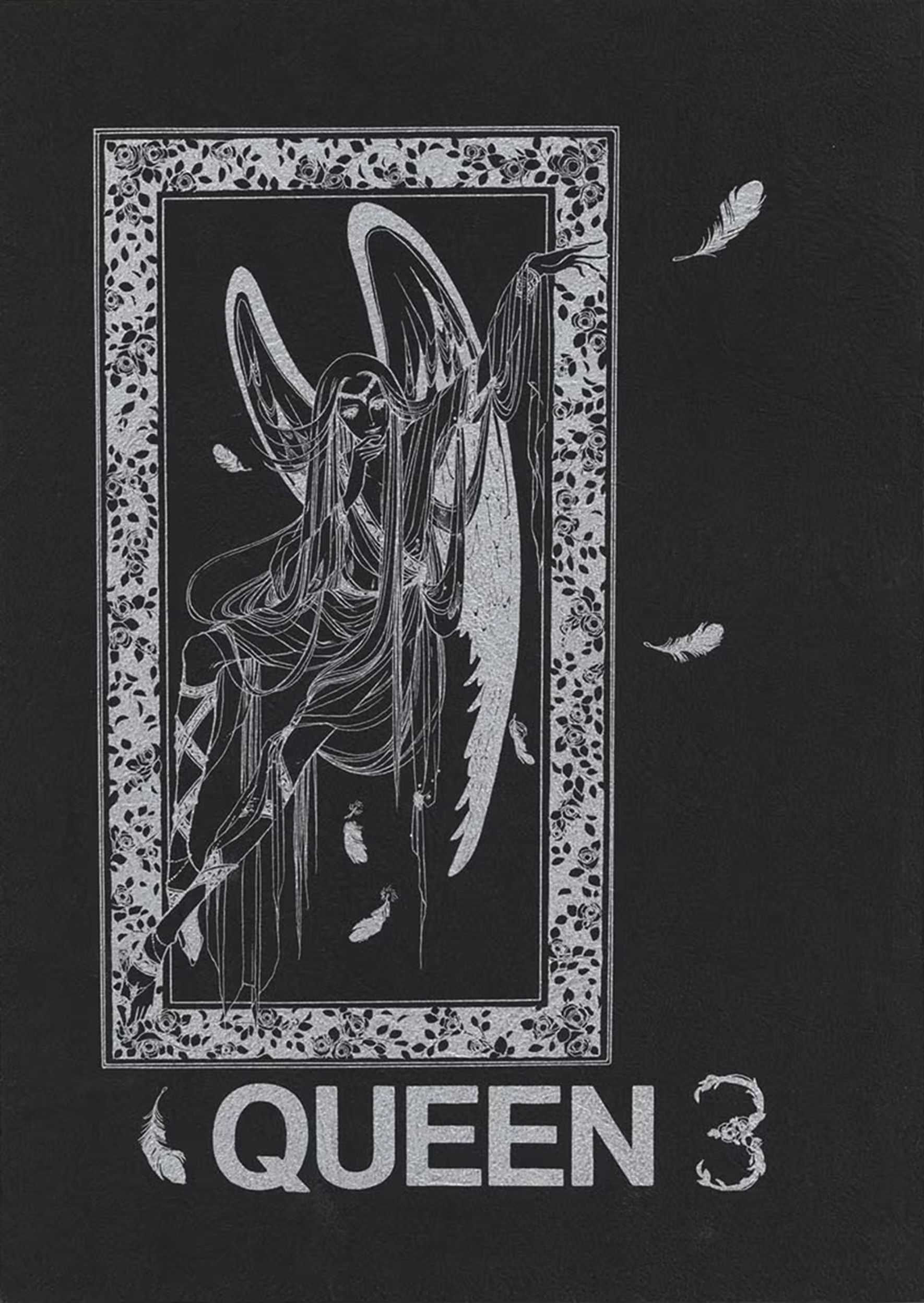
Queen 4 — August 1980
Supplements:
Queen I — December 1975
Queen II — 1976?
Queen III — March 1977
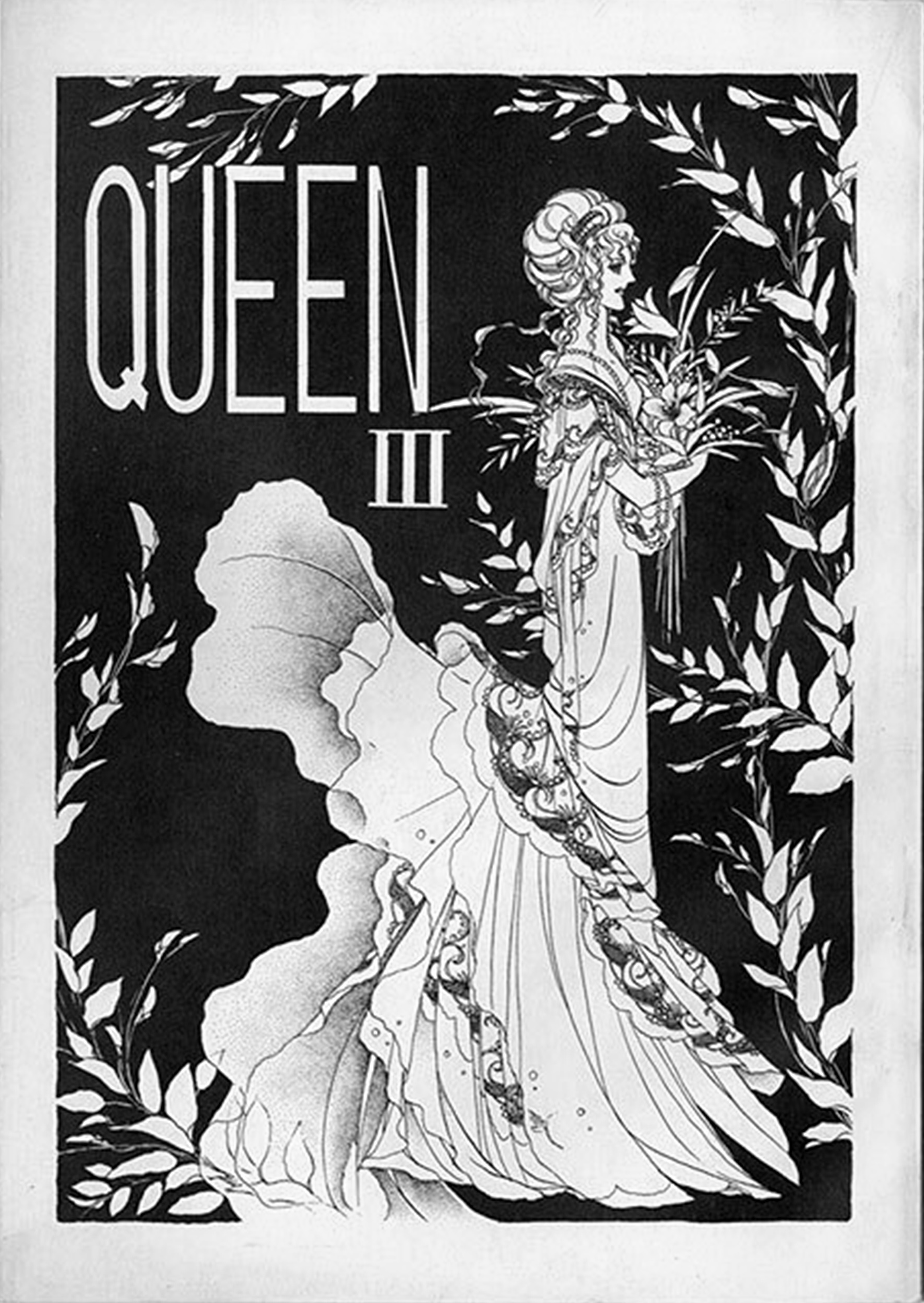
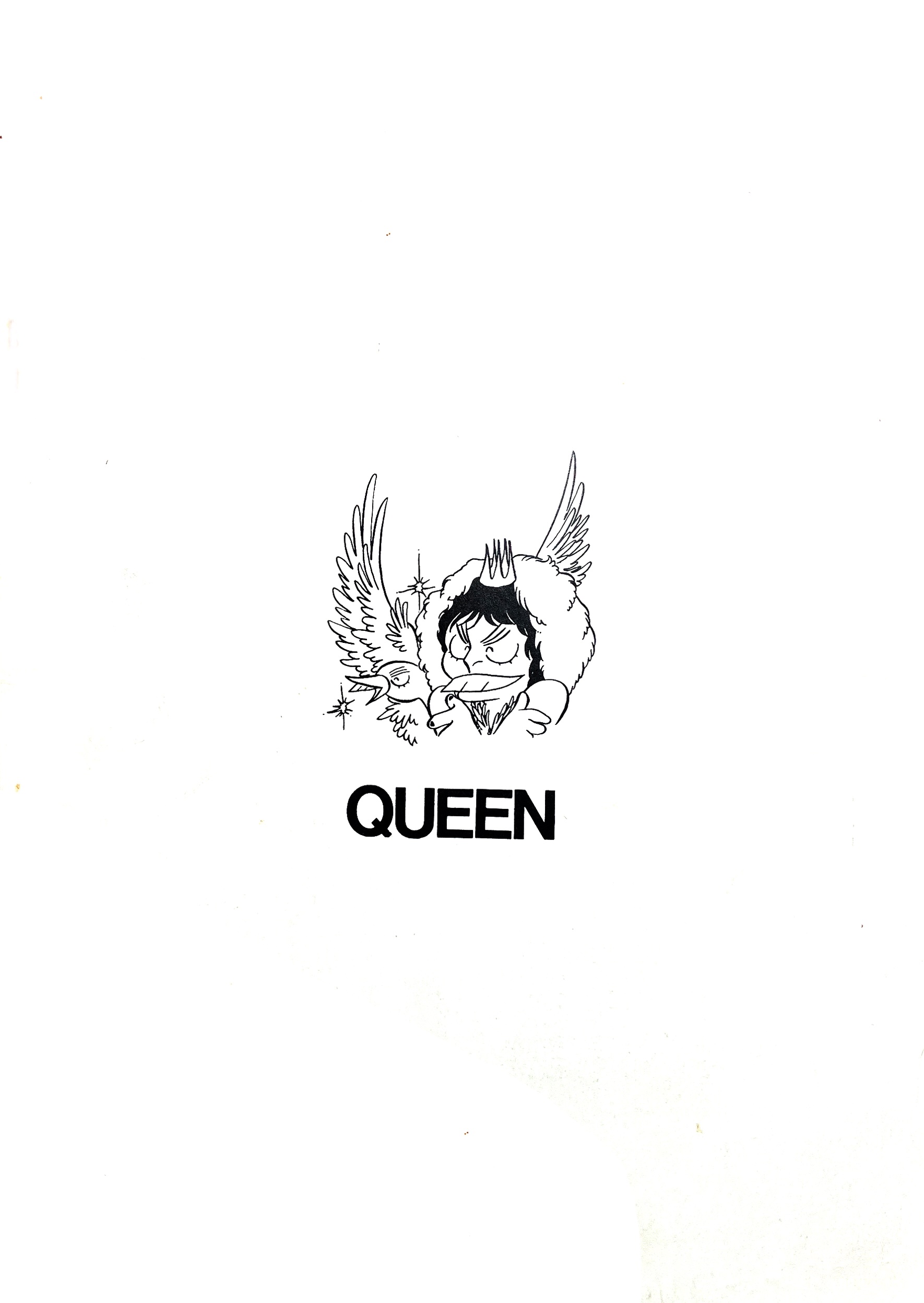
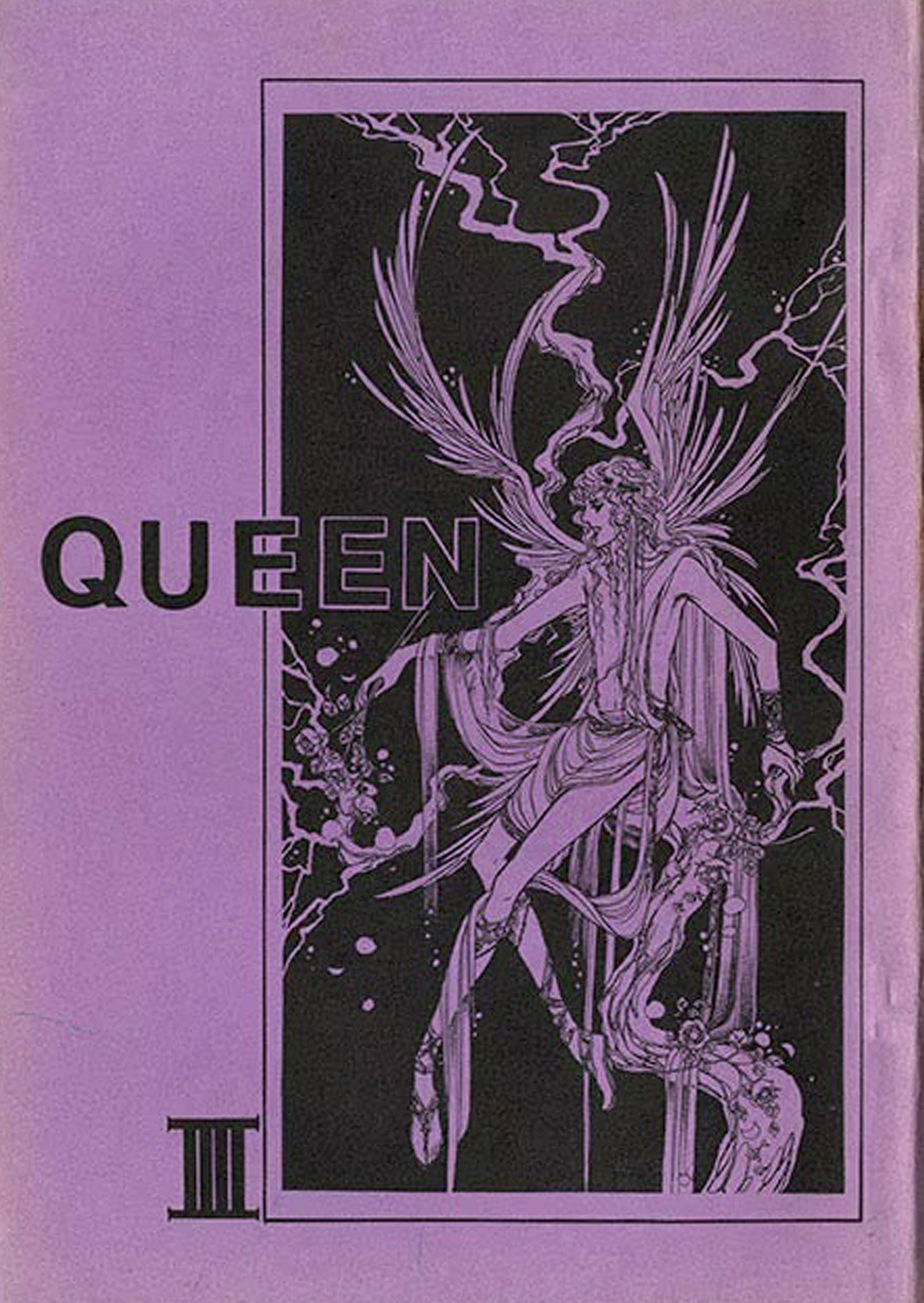
Queen IIII (sic) — July 1977
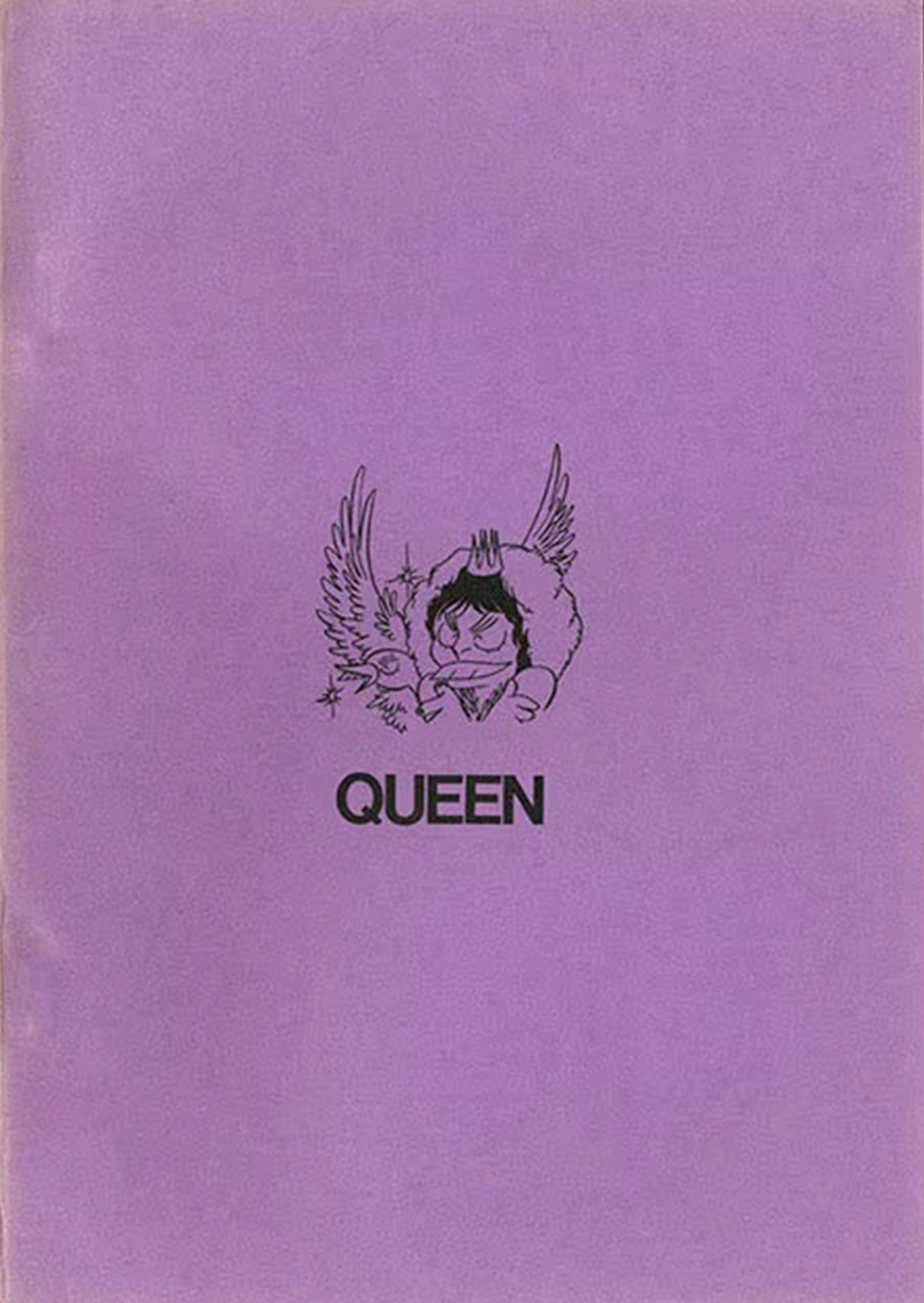
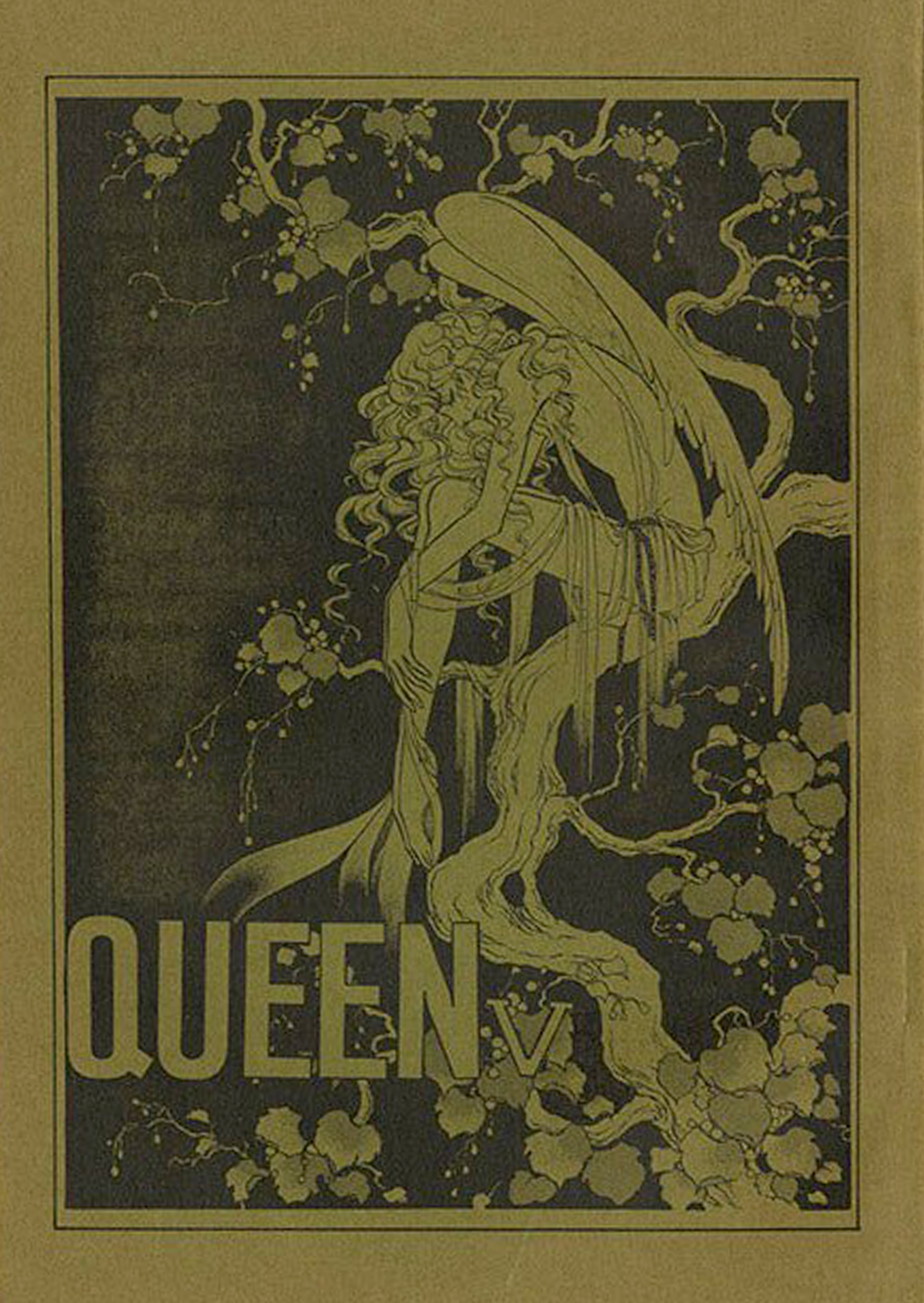
Queen V — March 1978
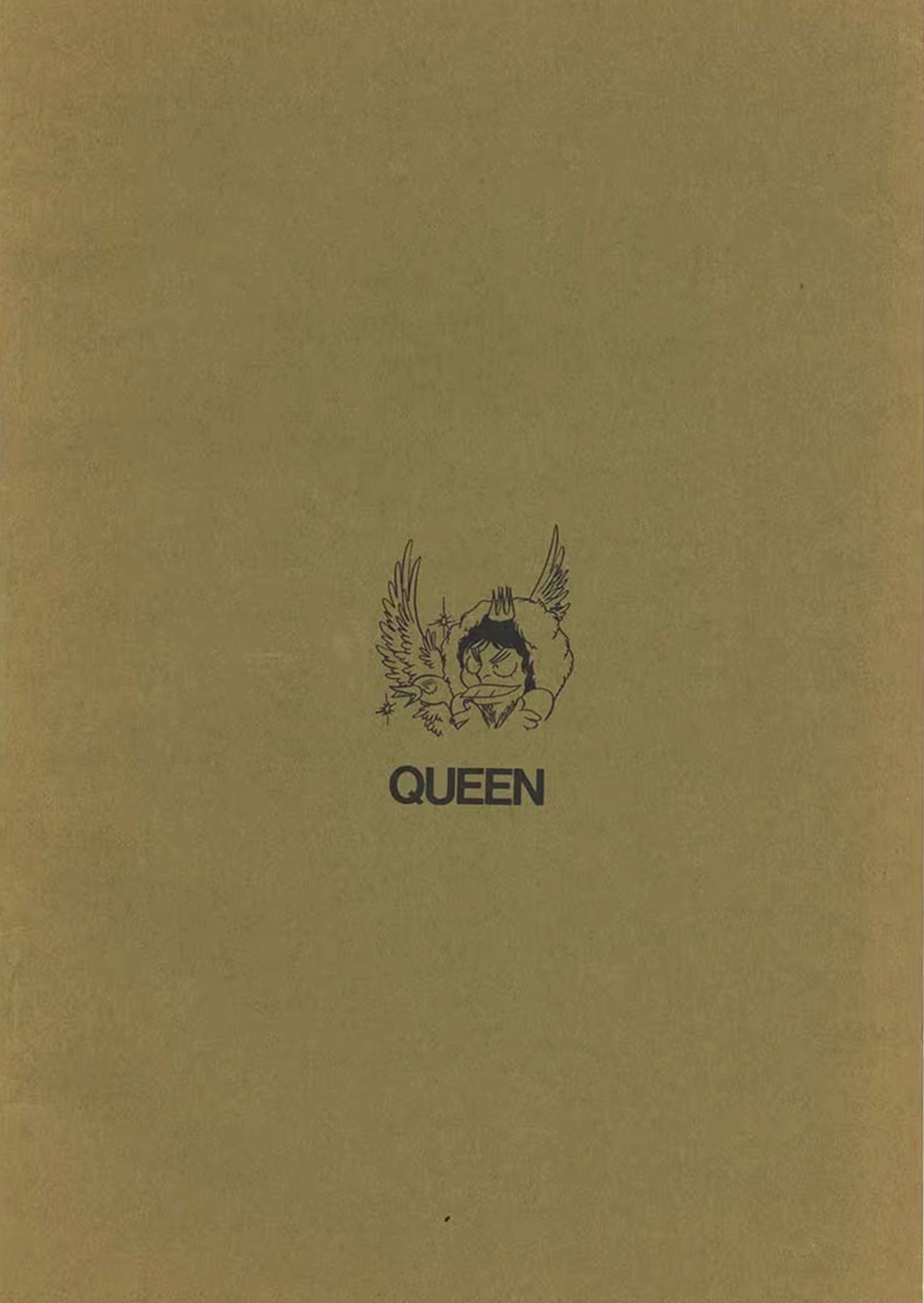
Queen VI — Early 1980
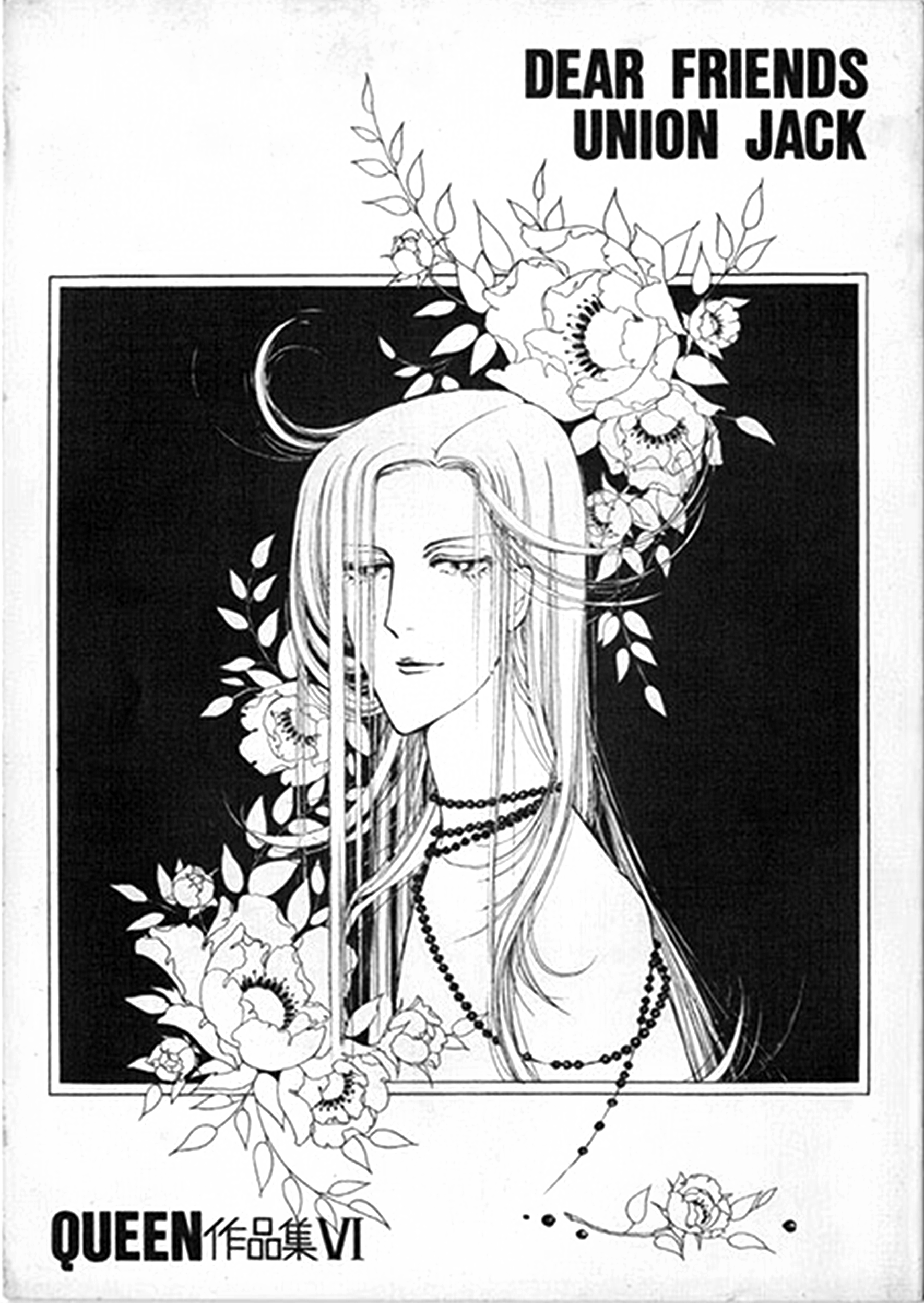
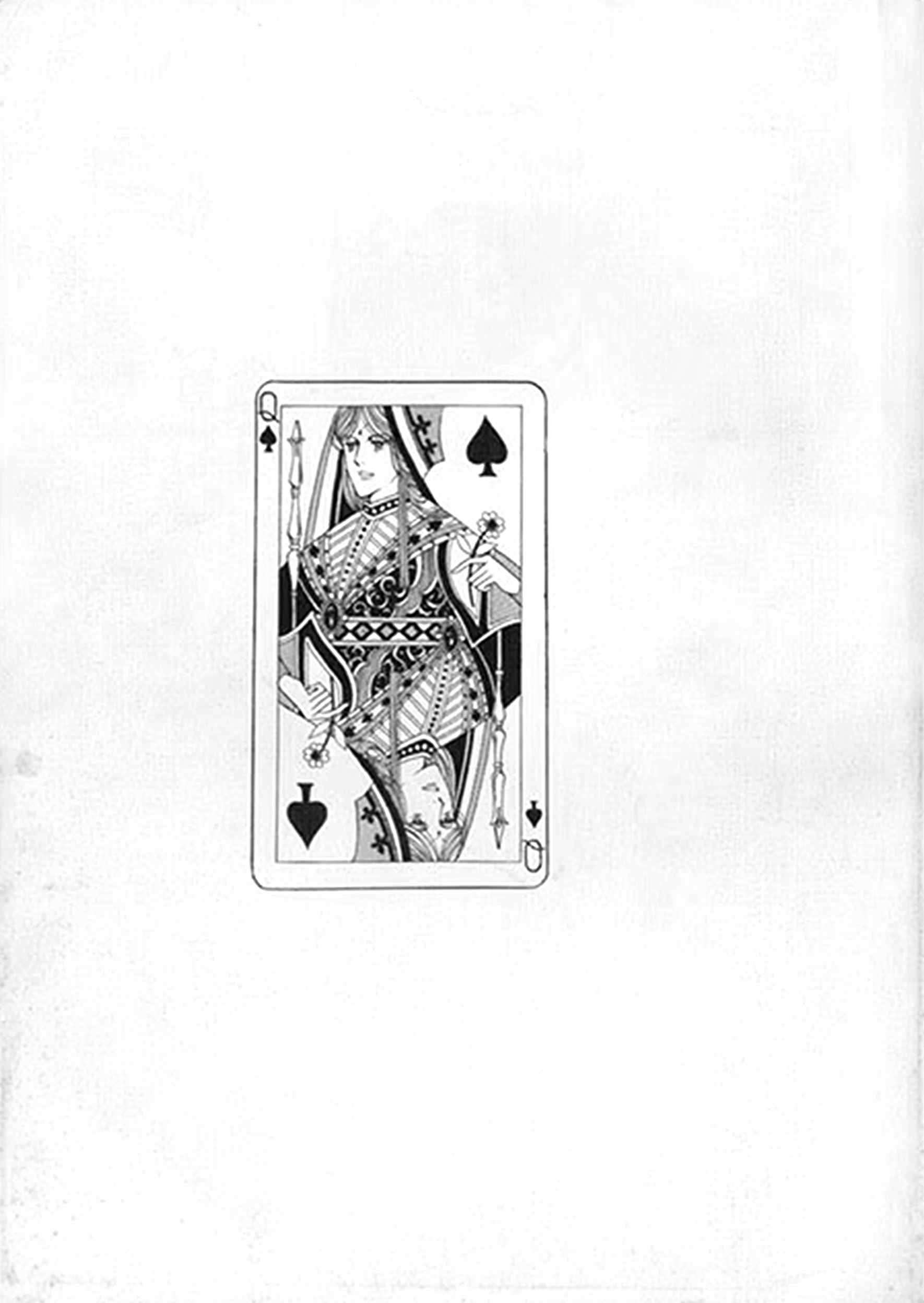
The titles of "Dear Friends" and "Union Jack" appear to have been names for some supplements
Queen VII — 1980
Queen VIII — April 1981